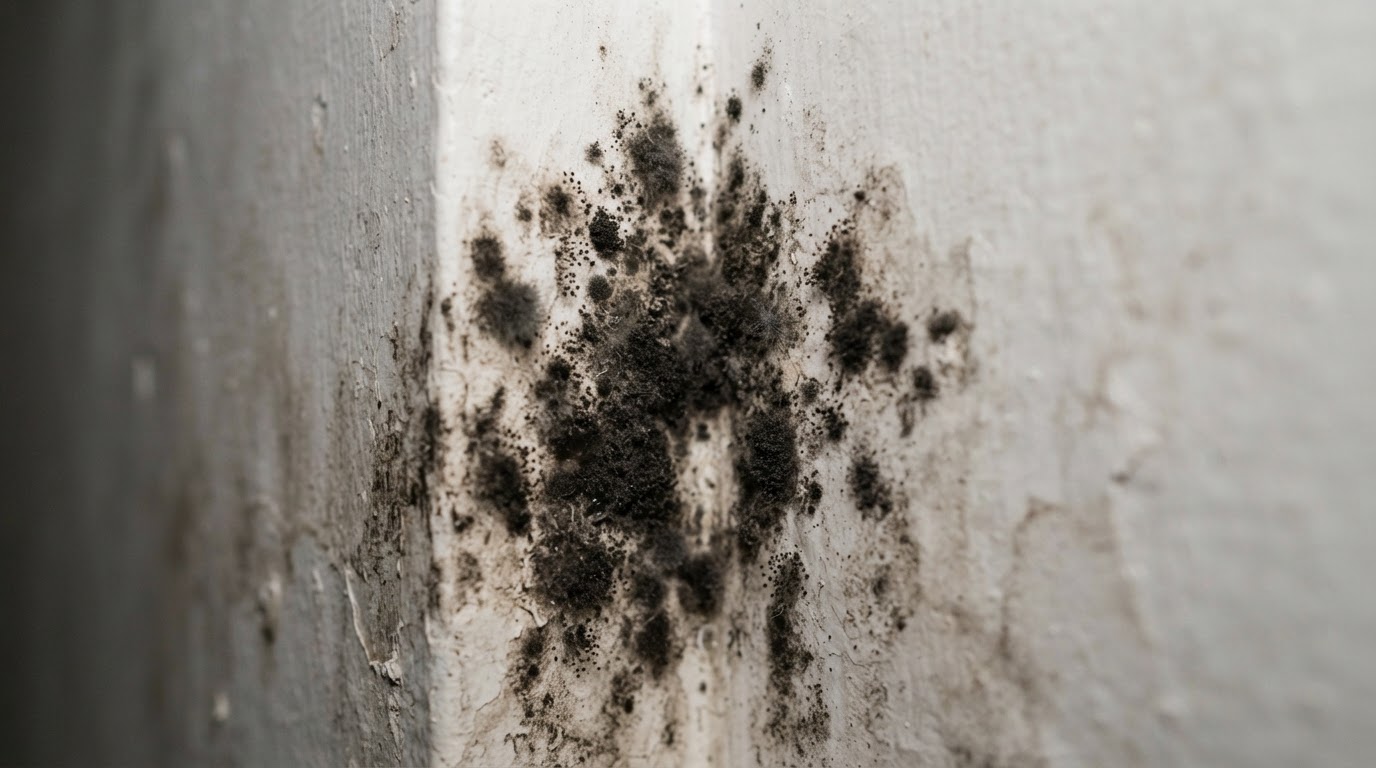
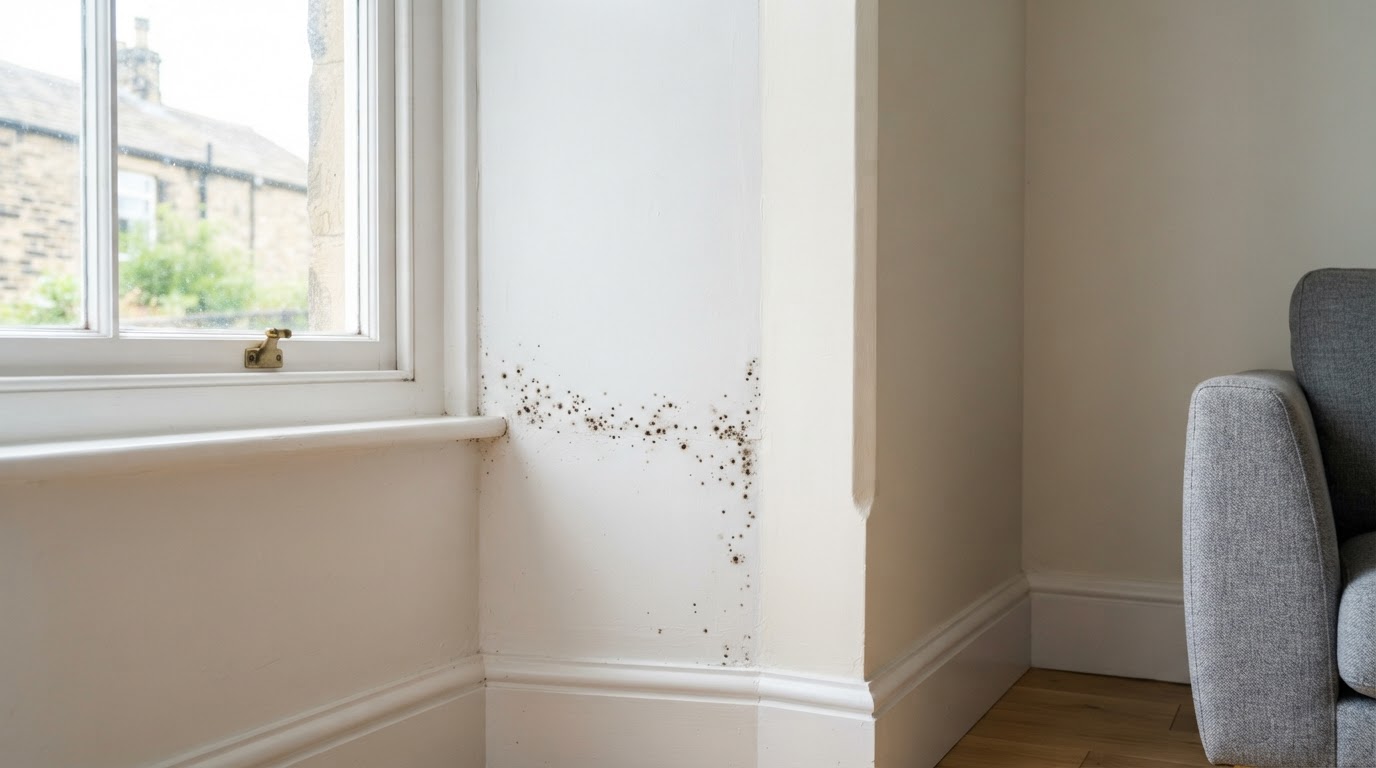
It's a familiar frustration: you scrub the mould away, the wall looks clean for a few weeks, and then the dark patches reappear in exactly the same place. The reason is simple — cleaning removes the visible mould but does nothing about the conditions that allowed it to grow in the first place.
Mould is a symptom, not the cause
Mould grows because a surface stays damp enough, long enough, for spores to take hold. If that surface is still cold and damp after you clean it, the mould will simply return. Until the moisture source is addressed, you are fighting a losing battle.
Common reasons mould returns
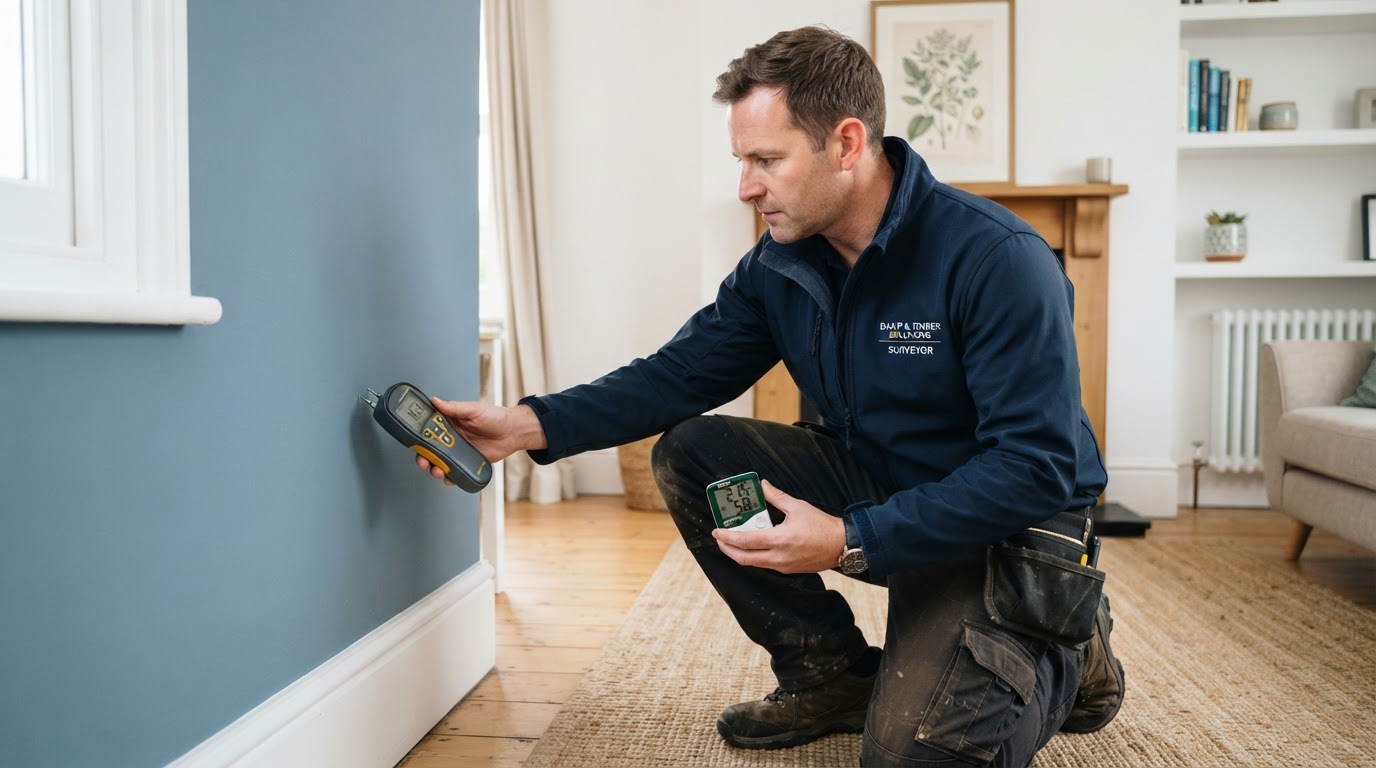
- The underlying moisture source — condensation, penetrating damp, rising damp or a leak — has not been identified or fixed.
- Bleach and household cleaners remove the surface growth but leave behind mould roots (hyphae) within porous materials like plaster and wallpaper.
- Mould spores remain in the air and on surfaces, ready to recolonise as soon as conditions allow.
- The wall is still cold, so condensation continues to form on it each day.
- Ventilation has not improved, so humidity stays high.
Why professional treatment is different
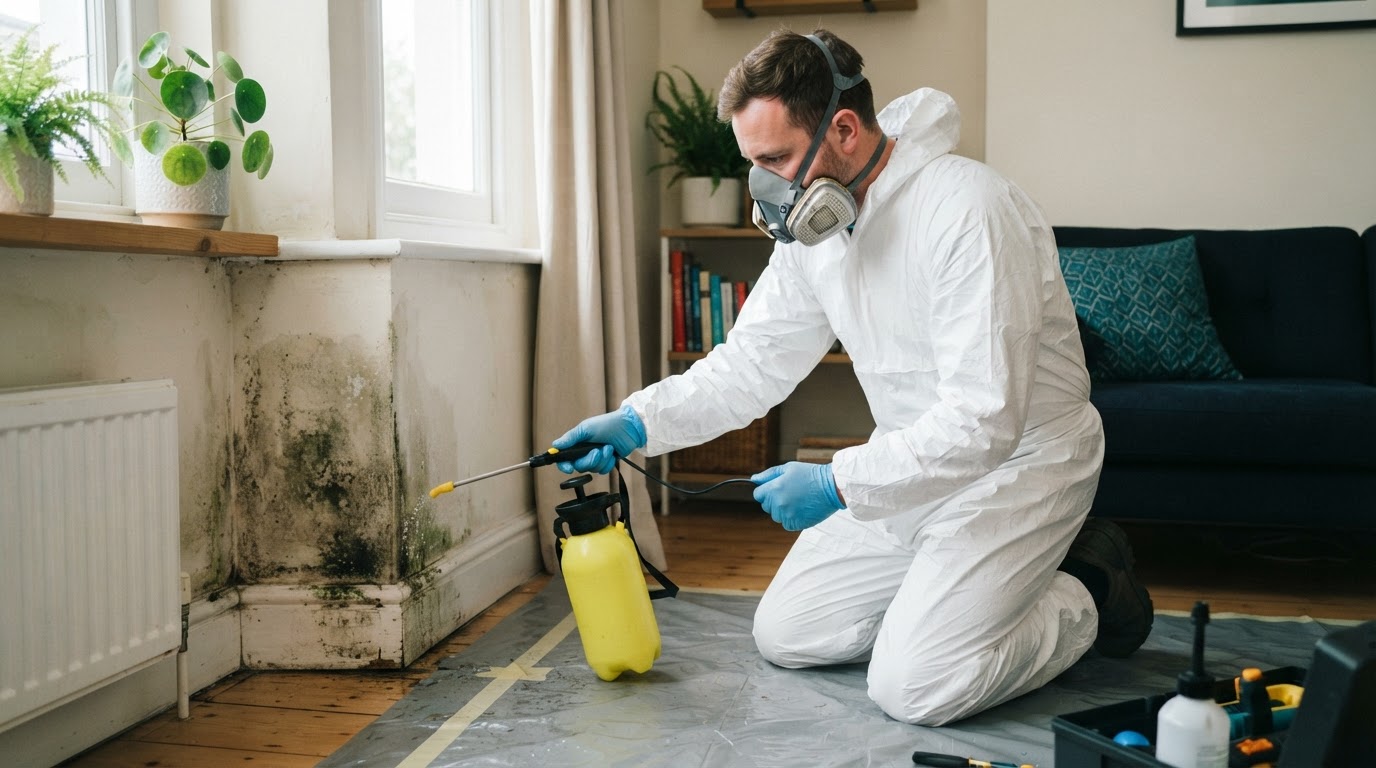
Professional mould remediation is a multi-stage process. It typically involves identifying and resolving the moisture source, treating the affected area with specialist biocidal products to kill mould at root level, removing contaminated porous materials where necessary, and applying anti-mould treatments or specialist paints that resist future growth. Crucially, it also addresses the environmental conditions so the mould has no reason to come back.
The bottom line
If mould has returned more than once after cleaning, it is a clear sign that a professional assessment is needed. Repeated cleaning wastes time and money, and prolonged exposure to mould is best avoided. Request an assessment and a vetted local specialist can identify why it keeps coming back and recommend a permanent solution.