Damp and mould problems come in several different forms, and each one requires a completely different treatment. Misdiagnosing the problem is one of the most common — and most expensive — mistakes homeowners make. Here's how to tell the difference between the three main types.
1. Condensation
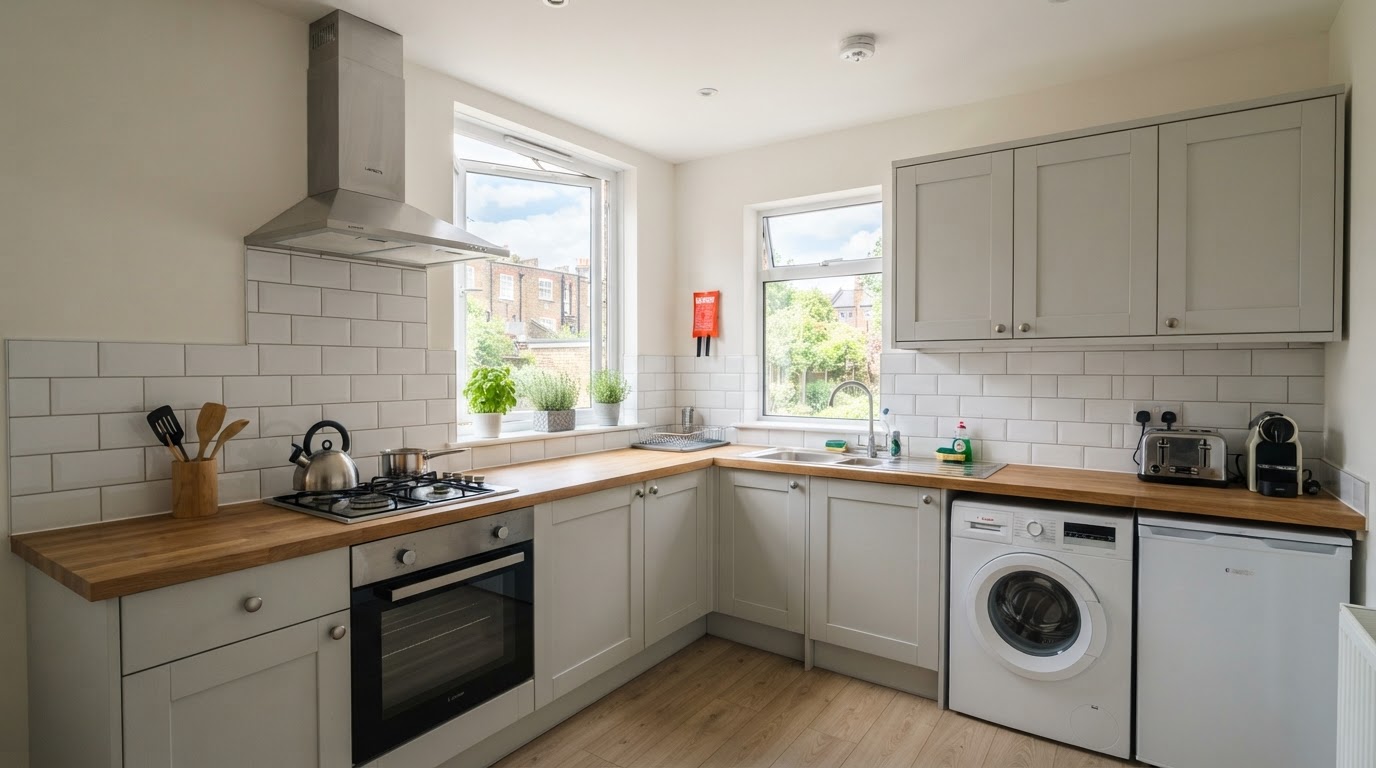
Condensation is by far the most common cause of mould in Yorkshire homes. It happens when warm, moist air meets a cold surface and turns back into water.
Typical signs
- Water droplets on windows, mirrors and cold walls — especially first thing in the morning.
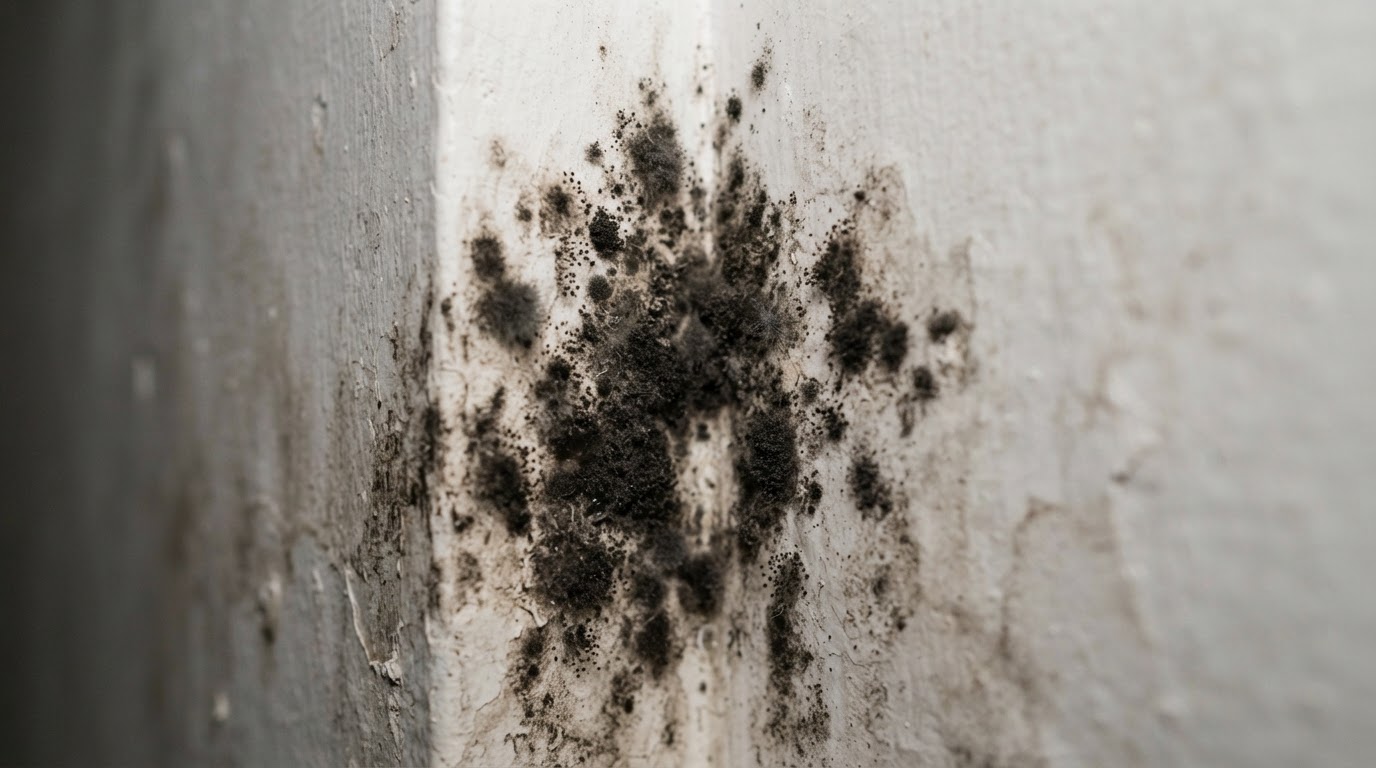
- Black mould in corners, behind furniture, around window frames and on external walls.
- Mould tends to be worse in winter and in rooms where moisture is generated (bathrooms, kitchens, bedrooms).
- A musty smell that comes and goes.
- No obvious 'tide mark' — the dampness is patchy rather than rising in a clear line.
2. Penetrating damp
Penetrating damp is water entering the building from outside — through defective brickwork, cracked render, leaking gutters, damaged flashing or poorly fitted windows.
Typical signs
- Damp patches on walls or ceilings that get worse after rain.
- A clear localised damp area rather than widespread patchy mould.
- Discolouration, blotches or water stains, often near the top of walls or around ceilings.
- Mould may be present but is usually concentrated where the water is entering.
- External defects visible outside — damaged pointing, cracked render, overflowing gutters.
3. Rising damp
Rising damp is moisture travelling upward through the walls from the ground, usually because a damp-proof course is missing, bridged or has failed. It is less common than condensation but does occur in older properties.
Typical signs
- A clear horizontal 'tide mark' on the wall, usually up to around a metre high.
- Damp, discoloured or peeling plaster low down on ground-floor walls.
- White, powdery salts on the wall surface (efflorescence).
- Rotting skirting boards or damaged floor coverings at ground level.
- The problem is present on external and internal (party) walls alike.
Why the distinction matters
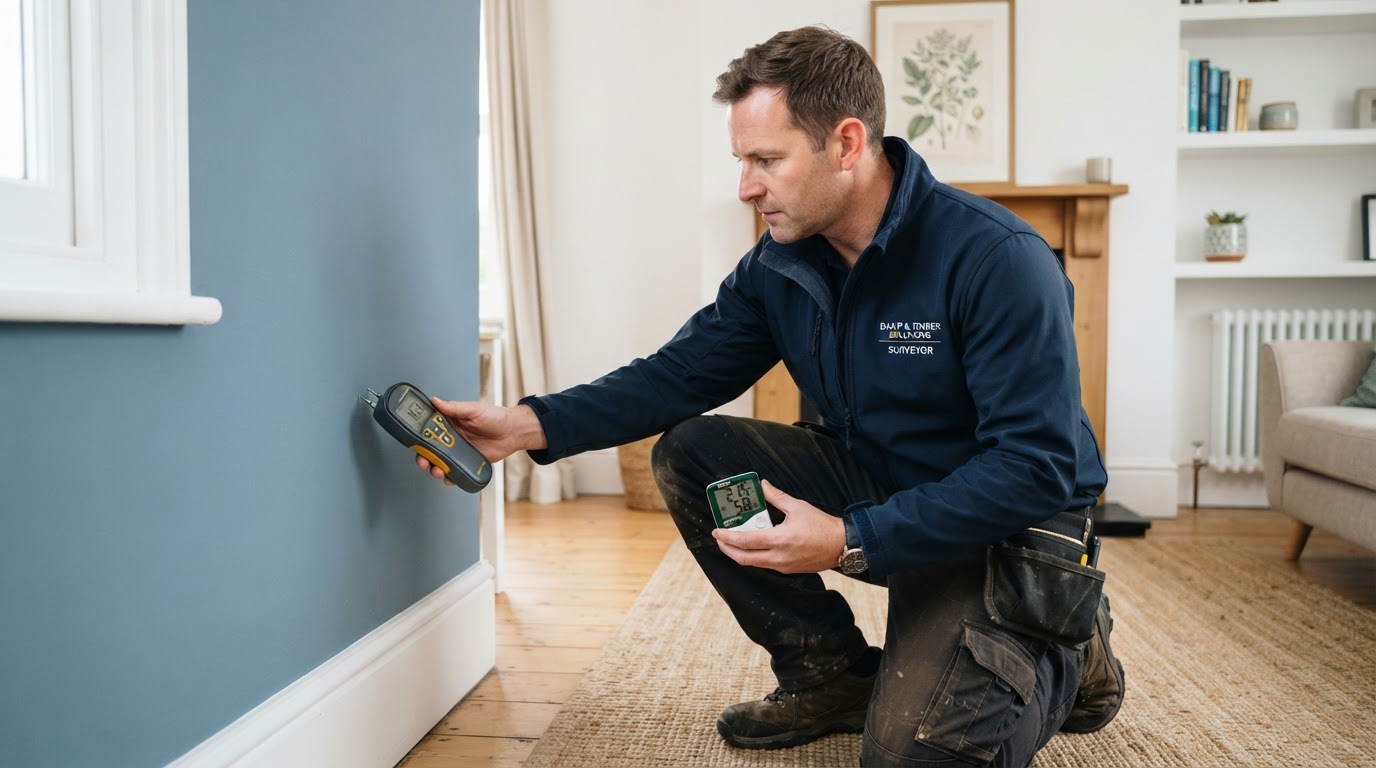
Treating the mould itself without addressing the source is the reason mould so often returns. Condensation is managed with ventilation, heating and moisture control; penetrating damp requires fixing the external defect; rising damp requires repairing or installing a damp-proof course. A professional assessment uses moisture meters, hygrometers and visual inspection to confirm which type you are dealing with.
This guide is for general information only. A definitive diagnosis requires an on-site assessment by a qualified specialist.