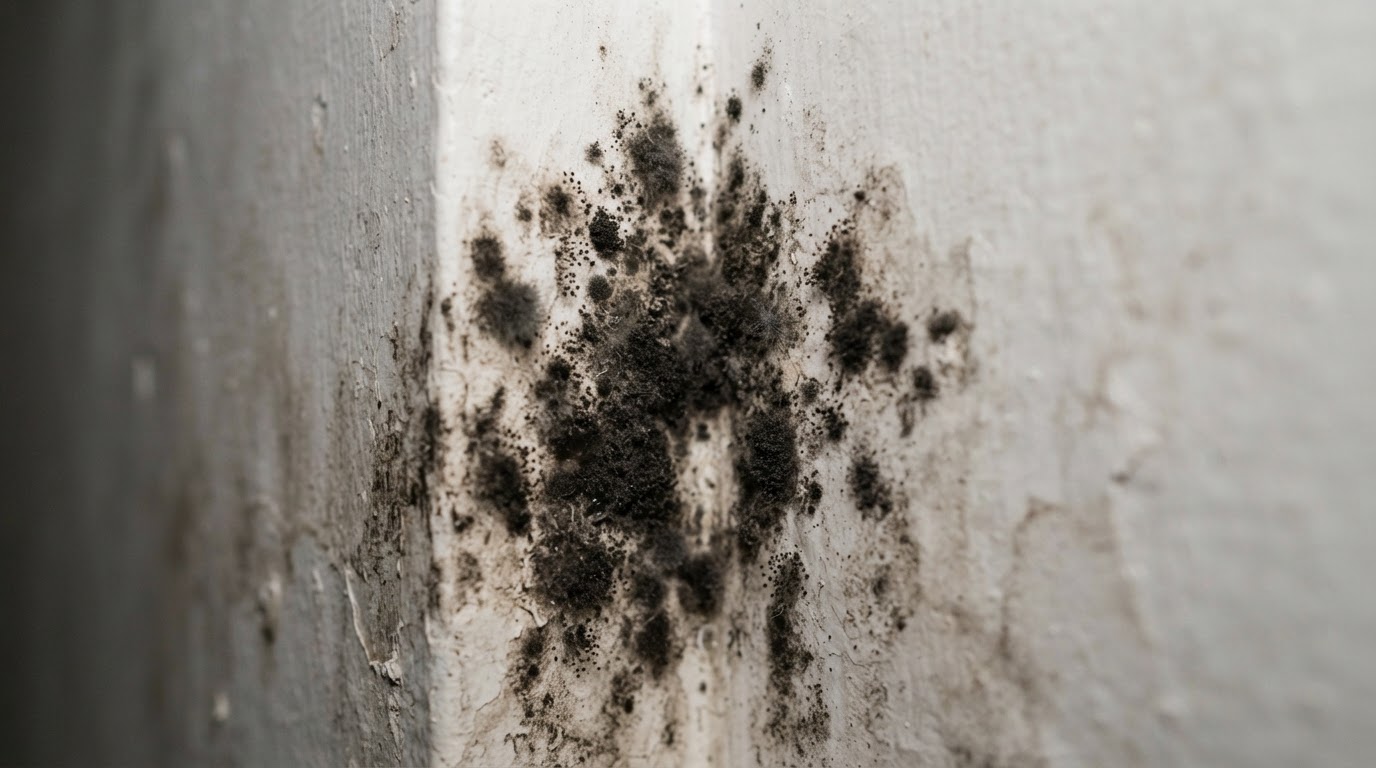
Black mould is one of the most common damp-related problems reported by homeowners, tenants and landlords across Yorkshire. It usually appears as dark greenish-black spots or patches on walls, window frames, ceilings and around skirting boards — particularly in rooms where moisture builds up.
The important thing to understand is that mould is a symptom, not the root cause. It grows because conditions allow it to grow, so simply wiping it away rarely solves the problem long term. To stop it returning, you first need to understand what is feeding it.
The single biggest cause: excess moisture
Mould needs three things to thrive: moisture, a food source (such as wallpaper paste, paint or plaster dust) and a suitable temperature. Of these, moisture is the one you can most control. In most Yorkshire homes, the moisture comes from everyday living — cooking, drying clothes indoors, washing and bathing — combined with insufficient ventilation.
When warm, moisture-laden air meets a cold surface such as an outside wall or window, the water condenses. This is condensation, and it is by far the most common trigger for black mould in domestic properties.
Common causes in Yorkshire properties
- Condensation from cooking, bathing and drying clothes indoors without enough ventilation.
- Cold bridging on solid-wall terraces common in Leeds, Bradford and Halifax, where external walls stay cold.
- Penetrating damp from defective pointing, cracked render or leaking gutters and downpipes.
- Rising damp from a failed or missing damp-proof course, often seen in older stone-built properties.
- Plumbing leaks, slow drips behind appliances or a leaking waste pipe inside a partition wall.
- Poor airflow in modern, well-sealed homes and flats that have been retrofitted with double glazing and insulation but no additional ventilation.
Why Yorkshire's housing stock is particularly affected
Much of Yorkshire's housing is older — solid-wall Victorian and Edwardian terraces, stone-built cottages and pre-war semis. These properties were built to 'breathe', with lime plaster and open chimneys that allowed moisture to escape. Modern upgrades such as cement render, acrylic masonry paint, sealed uPVC windows and cavity wall insulation can unintentionally trap moisture inside the fabric of the building, pushing damp and mould problems to the surface.
Add Yorkshire's wetter climate and colder winters, and you have conditions where condensation forms readily on cold internal surfaces from roughly October through to April.
Which rooms are most at risk?
- Bathrooms — steam from showers and baths without effective extraction.
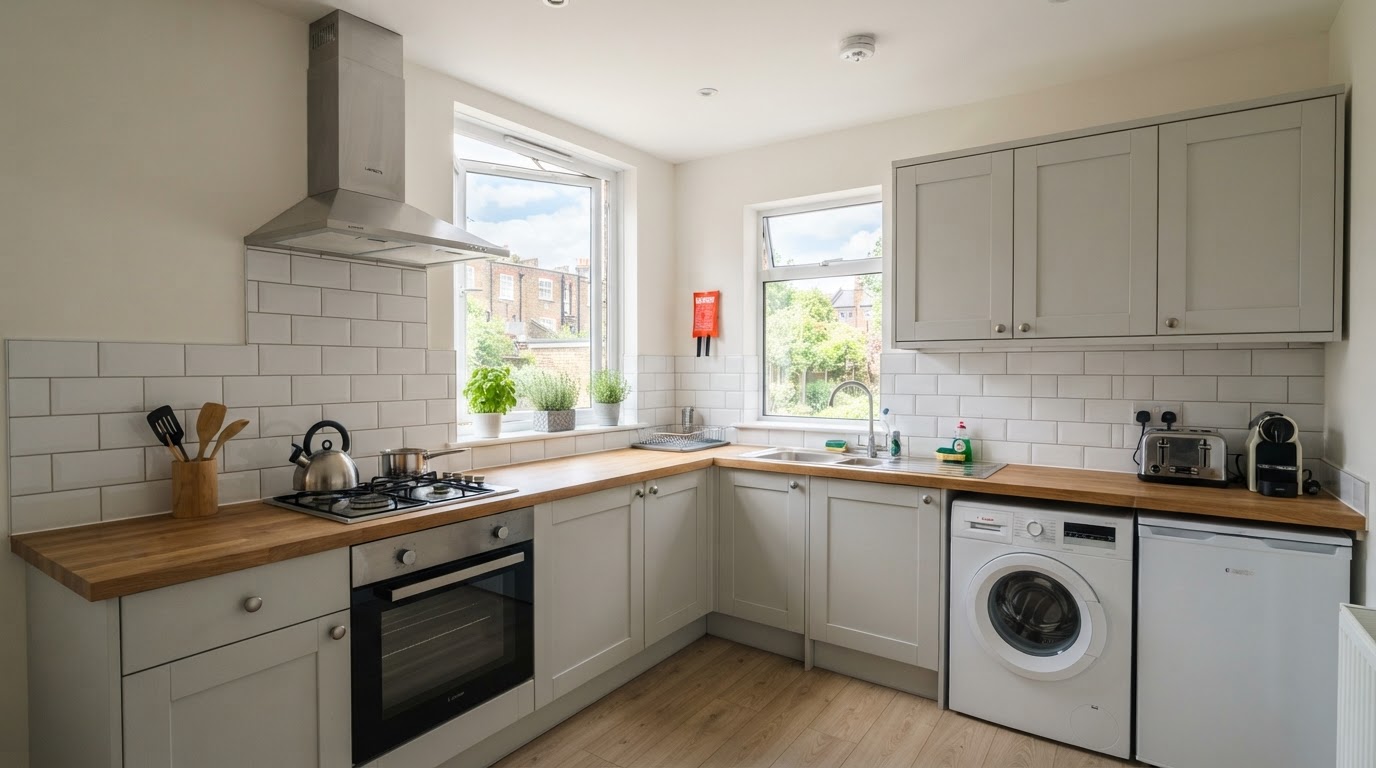
- Kitchens — cooking steam and kettles, especially near external walls.
- Bedrooms — particularly behind wardrobes and beds pushed against cold outside walls.
- North-facing rooms — colder walls mean more condensation.
- Unused or unheated rooms — cold surfaces attract condensation.
What should you do?
If you have spotted black mould, the most effective first step is to request a professional assessment so the underlying moisture source can be correctly identified. A vetted specialist can tell you whether you are dealing with condensation, penetrating damp, rising damp or a hidden leak — because the right treatment is completely different in each case.
In the meantime, you can reduce moisture by ventilating more effectively, using extractor fans, avoiding drying clothes on radiators where possible, and wiping away visible condensation each morning. However, these are management steps rather than a cure, and persistent mould should always be investigated properly.
This article is provided for general information only and is not a substitute for a professional property assessment. Health concerns relating to mould should be discussed with your GP or NHS 111.
— Yorkshire Mould Removal