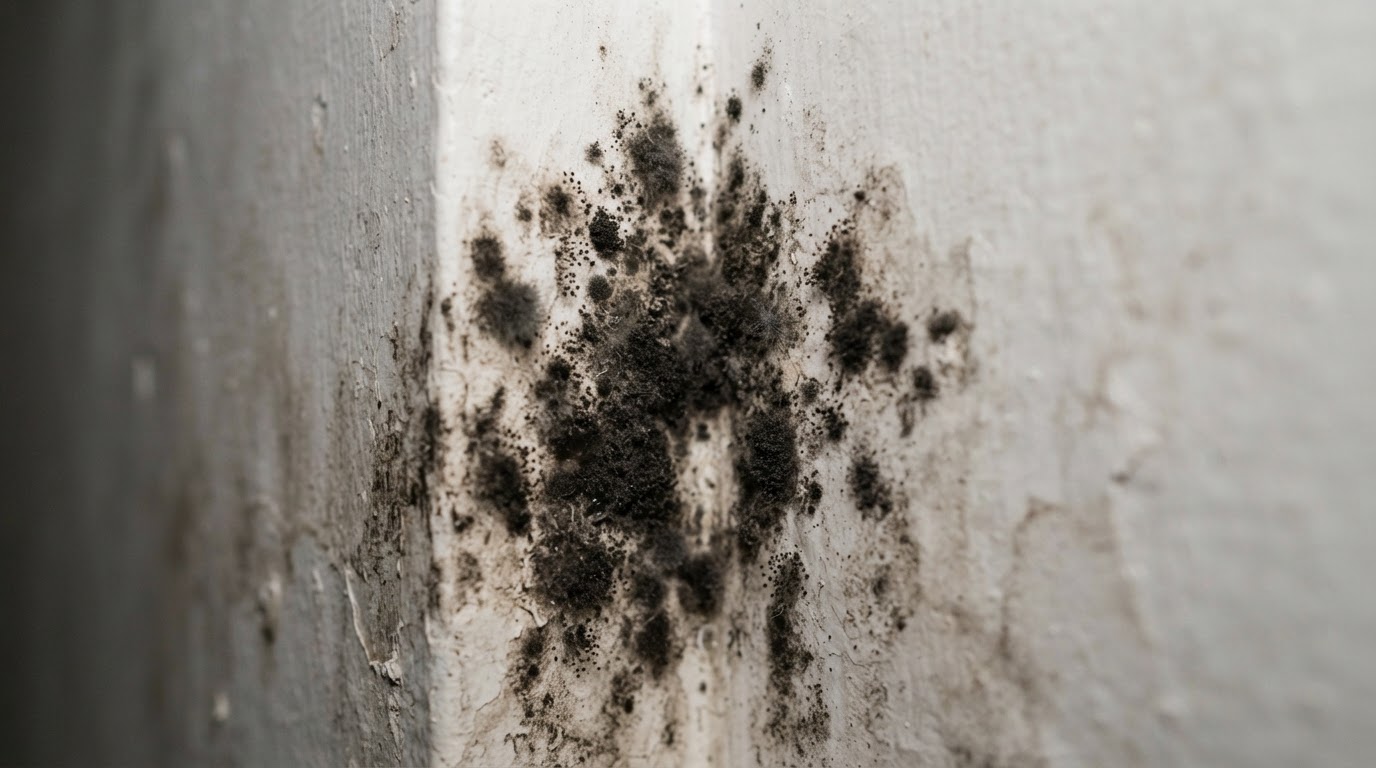
When a tenant reports mould, it can be tempting to treat it as a cleaning issue and ask the tenant to wipe it down. That approach can create legal risk and rarely resolves the underlying problem. Here is a sensible, step-by-step approach for landlords and letting agents.
1. Take the report seriously and respond promptly
Acknowledge the report in writing and arrange to inspect the property as soon as reasonably possible. A prompt, documented response protects both your tenant's health and your own legal position. Under the Homes (Fitness for Human Habitation) Act 2018 and, increasingly, the forthcoming Awaab's Law requirements, landlords are expected to act on damp and mould hazards within set timescales.
2. Inspect and identify the cause
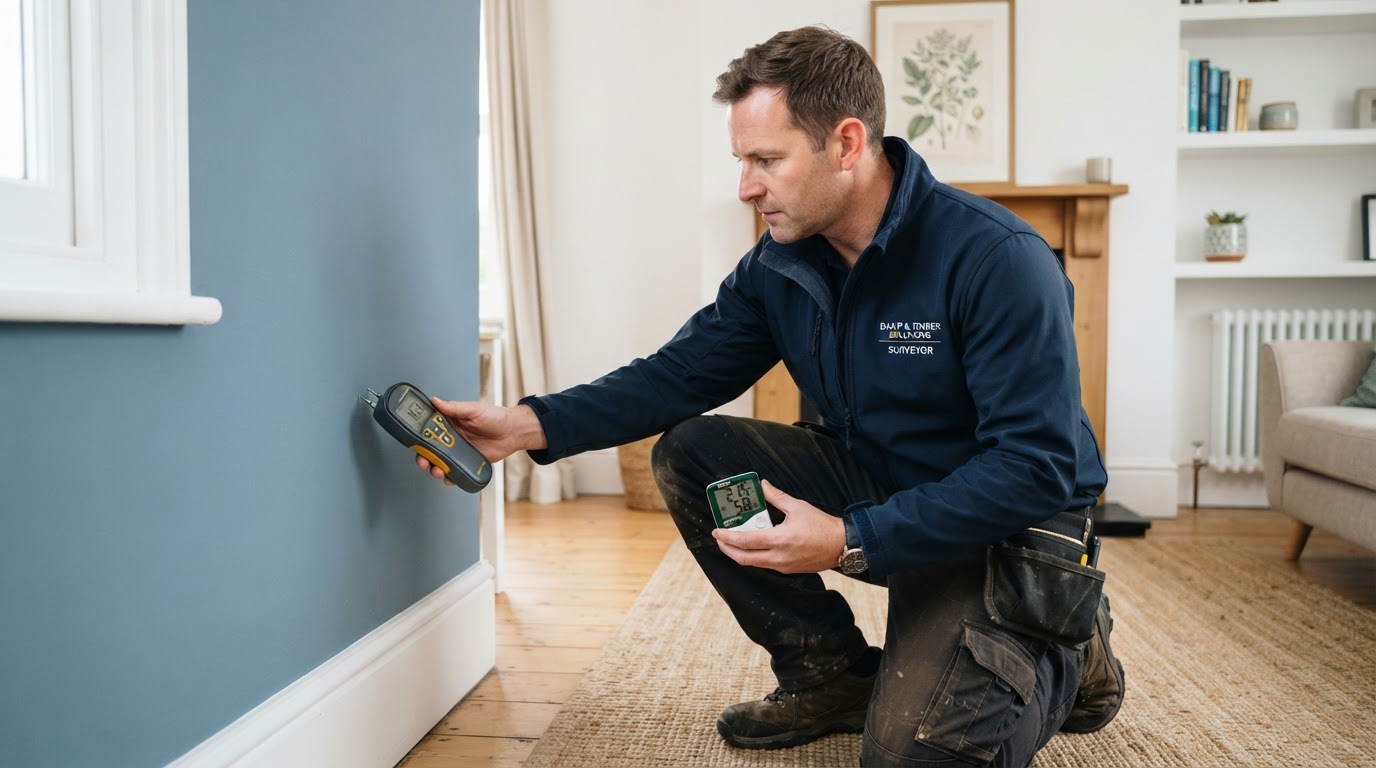
Look for the moisture source, not just the mould. Is it condensation from lifestyle and ventilation, penetrating damp from an external defect, rising damp, or a plumbing leak? Photograph the affected areas and keep records. Where the cause is unclear, arrange a professional damp and mould assessment.
3. Don't simply blame the tenant
Condensation is often a combination of property factors (cold walls, poor ventilation, inadequate heating) and lifestyle factors. Even where tenant behaviour contributes, the landlord's responsibility is to ensure the property is capable of being kept free from excess moisture — for example by providing working extractor fans, adequate heating and insulation.
4. Carry out appropriate remedial work
- Fix any building defects — leaking gutters, cracked render, defective pointing, plumbing leaks.
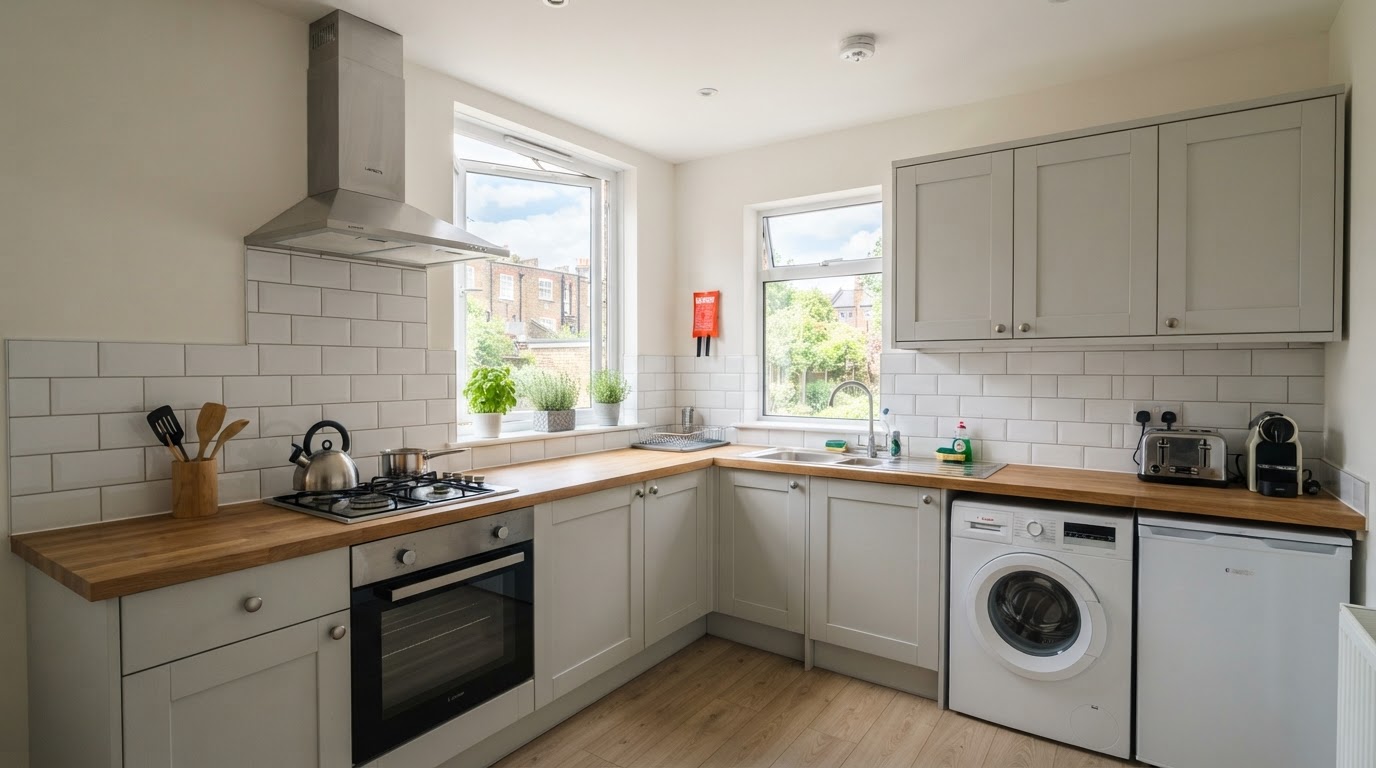
- Provide or repair mechanical ventilation in bathrooms and kitchens.
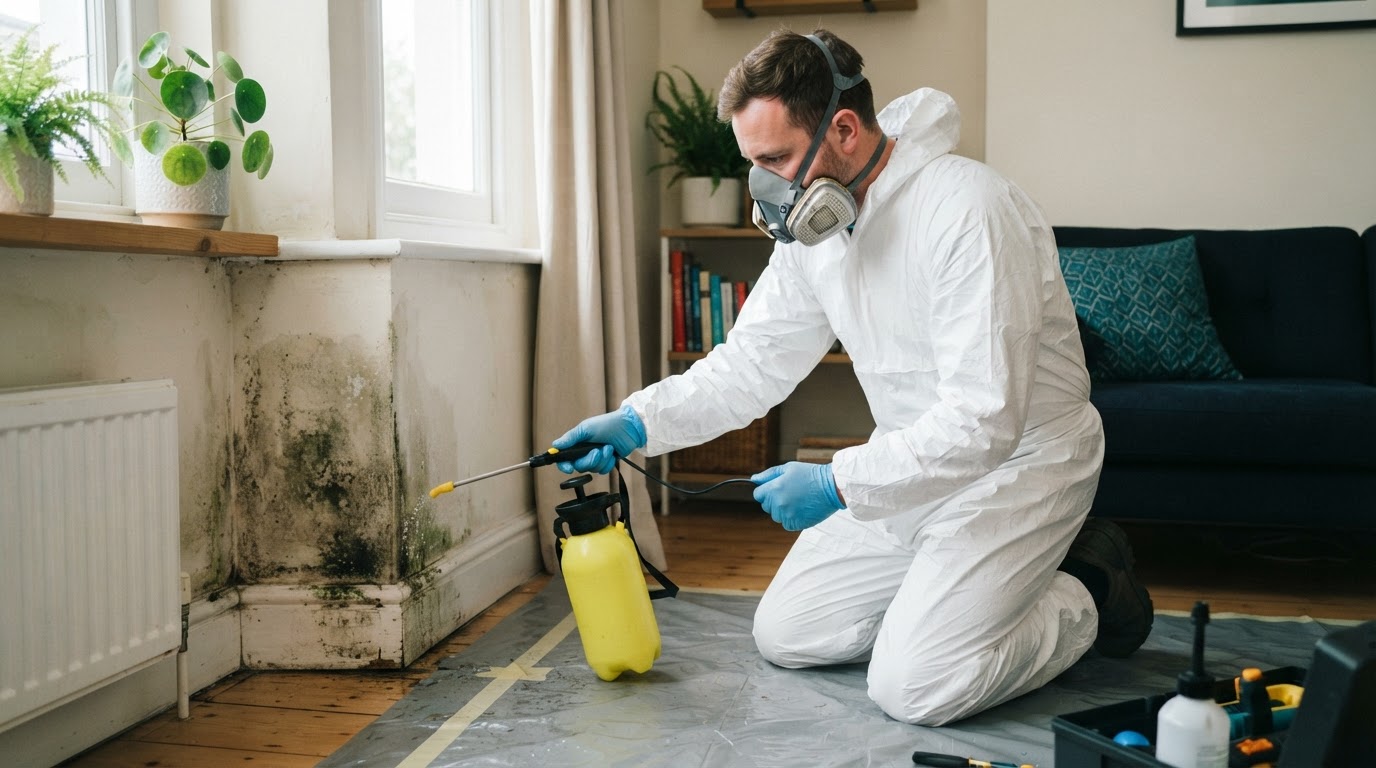
- Treat existing mould with appropriate professional sterilisation, not just bleach.
- Consider positive input ventilation or improved extraction where condensation is persistent.
- Reinstate affected decoration and plaster where required.
5. Give clear, written advice to the tenant
Provide simple written guidance on managing moisture — using extractor fans, opening trickle vents, not drying clothes on radiators, wiping condensation — and confirm what work you have carried out. Good communication prevents repeat problems and disputes.
6. Keep records
Document the report, your inspection, the work carried out and any advice given. This protects you if the matter is ever escalated and demonstrates that you have met your responsibilities.
How Yorkshire Mould Removal can help
We connect landlords and letting agents with vetted independent specialists who can assess rental properties, identify the cause and carry out appropriate remediation. Submit an enquiry and, with your permission, your details will be passed to a specialist covering your area.
This article is general guidance and not legal advice. Landlords should seek professional advice for their specific circumstances and keep up to date with current housing legislation.