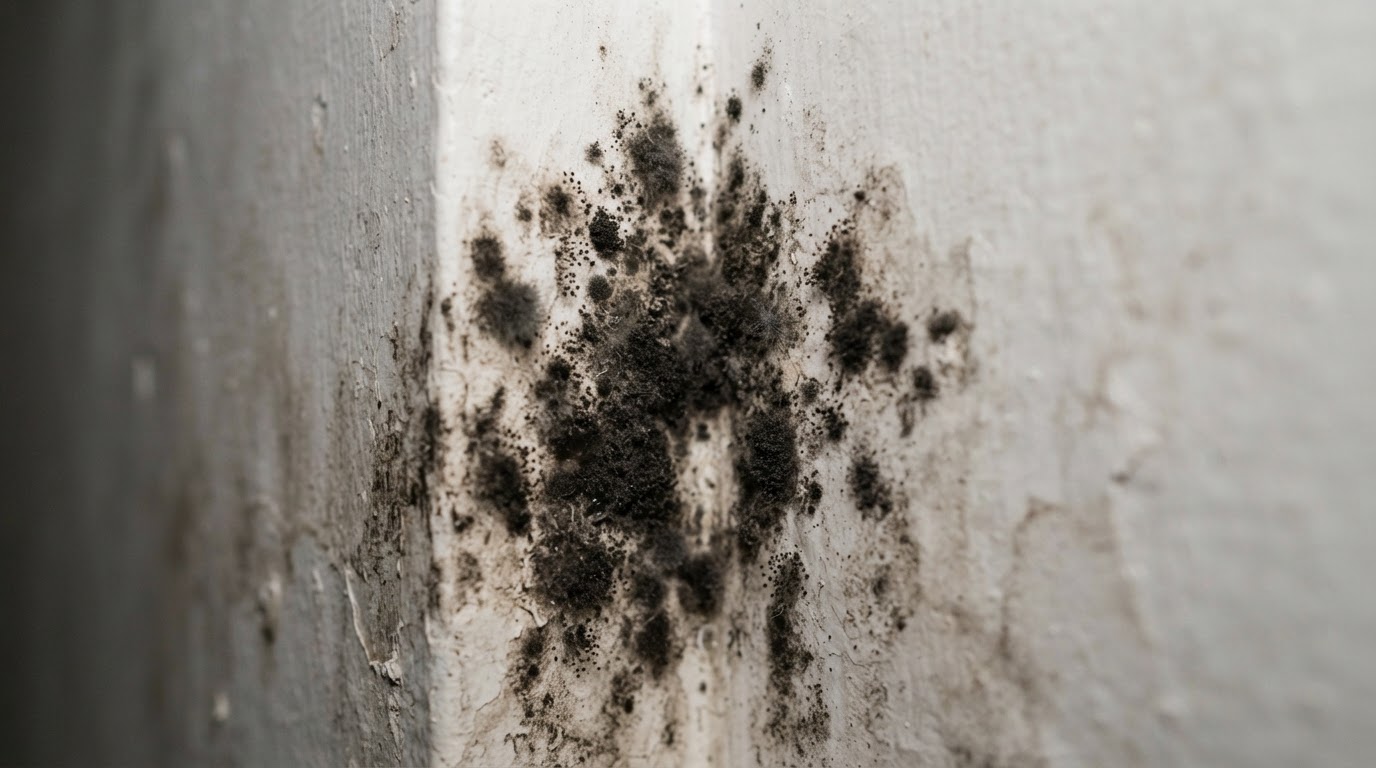

Awaab's Law is the name given to new legal requirements for social landlords to investigate and put right hazards such as damp and mould within fixed timescales. It is named in memory of Awaab Ishak, a young child whose death in 2020 was linked to mould in his family's social housing home. The case brought national attention to the serious consequences of untreated damp and mould.
What is Awaab's Law?
Following the coroner's report and the government's response, provisions were introduced through the Renters (Reform) Act requiring landlords — starting with registered providers of social housing — to investigate and address reported hazards, including damp and mould, within set timeframes. The requirements are being phased in, with social housing first and the private rented sector to follow.
What does it mean in practice?
In broad terms, the law requires landlords to respond to reports of hazards like damp and mould within specified timescales, investigate the cause, take action to remedy it, and keep clear records. The exact timeframes depend on the severity of the hazard. The principle is that damp and mould should be treated as a serious health and safety issue, not a routine maintenance complaint or a 'lifestyle' problem.
What this means for housing providers and landlords
- Have a clear process for logging and responding to damp and mould reports.
- Investigate promptly and identify the underlying cause, not just the symptoms.
- Carry out appropriate remedial work within the required timescales.
- Keep documented evidence of reports, inspections and completed work.
- Communicate clearly with residents about what is being done and when.
- Treat vulnerable residents and children as a priority.
What this means for tenants
If you are a tenant and you report damp or mould, your landlord should respond within the required timescales. If they do not, you have routes to escalate — including complaining to the Housing Ombudsman (for social housing) or your local authority's environmental health department. Tenants should always report problems in writing and keep copies.
How Yorkshire Mould Removal can help
We work with housing associations, social housing providers, landlords and letting agents across Yorkshire, connecting them with vetted independent specialists who can assess damp and mould, identify causes and carry out remediation. Submitting an enquiry through our service helps ensure reports are acted on quickly and professionally.
If you need to keep a clear record of the problem, our Mould Evidence Pack lets you organise photographs, build an incident timeline and generate an editable landlord notification letter. It does not prove the cause of mould or guarantee any legal outcome, but it can help you present your information clearly. See the Mould Evidence Pack page for details.
This article is a general summary for information only and is not legal advice. Legislation and timescales may change — always check the current guidance on GOV.UK and seek professional advice for your specific situation.
— Based on publicly available information from GOV.UK and the Housing Ombudsman